

New England, with its rich history and diverse ecosystems, has long grappled with the challenges of water contamination. From industrial pollutants to runoff from agriculture, the region has faced significant hurdles in ensuring clean and safe water for its communities and natural habitats. The impact of these contaminants has not only posed health risks but has also threatened the vibrant aquatic life that thrives in its rivers, lakes and ponds, and coastal waters.
In response to these challenges, New England has witnessed a significant transformation in water remediation strategies. Over the years, new technologies and joint initiatives have emerged to address the various problems affecting the quality of water. From state-of-the-art filtration techniques to bioremediation techniques, the area's approach to water remediation has continually adapted, reflecting a deeper insight of environmental science and a commitment to sustainable practices. New England Water Remediation explores the journey of water remediation in New England, highlighting significant progress and the continuing initiatives to transform polluted water into safe and healthy water resources for all.
Historical Contamination Sources
New England has a complicated industrial past that has significantly affected its water quality. The emergence of manufacturing in the 1800s and early 20th centuries led to the discharge of multiple contaminants into regional waterways. Industrial facilities often released toxic metals, chemicals, and unprocessed wastewater straight into streams, contributing to severe contamination. The result of these actions is still evident today, as many water bodies continue to exhibit indicators of pollution from past industrial practices.
Rural practices in New England also contributed to water contamination. The use of pesticides, herbicides, and fertilizers made their way into streams and groundwater, negatively affecting aquatic health. Runoff from agricultural land can transport these chemicals into nearby water systems, resulting in chemical pollution and the degradation of aquatic ecosystems. The impact of agricultural methods has been a ongoing challenge for water remediation efforts in the area.
Moreover, city development and population growth contributed to aquatic health issues. As water damage cleanup near me expanded, so did the amount of non-porous surfaces, leading to higher stormwater runoff. This runoff often carries contaminants such as oils, toxic substances, and debris into water bodies. Furthermore, outdated sewage infrastructure and the improper disposal of household chemicals further exacerbated pollution problems. Addressing these past sources of contamination remains a crucial focus for water remediation in New England.
Novel Remediation Methods
In the last several years, New England has welcomed a diverse array of creative solutions to boost water purification efforts. One notable advancement is the application of nanotechnology. Nanoscale materials can successfully capture harmful substances and degrade pollutants at the molecular level. This technology has demonstrated especially useful in addressing heavy metal contamination in water sources, allowing for more efficient removal and decreasing the need for extensive excavation and disposal.
Another important development is the application of bioremediation, which leverages the natural processes of microorganisms to break down pollutants. New England researchers have been studying unique native microbial strains that can flourish in local environments while effectively degrading a variety of contaminants, including hydrocarbons to nitrates. This method not only revitalizes water quality but also supports the sustainability of local ecosystems, as it limits the use of harsh chemicals that could have harmful effects.
Moreover, progressive oxidation processes (AOPs) have gained traction in addressing difficult contaminants like pharmaceuticals and personal care products. These processes employ powerful oxidants to convert harmful substances into harmless byproducts. Facilities throughout New England are integrating AOP technologies as part of their water treatment systems, which allows for a more approach to cleaning water and guarantees compliance with rigorous environmental regulations.
Outlook of Water Management
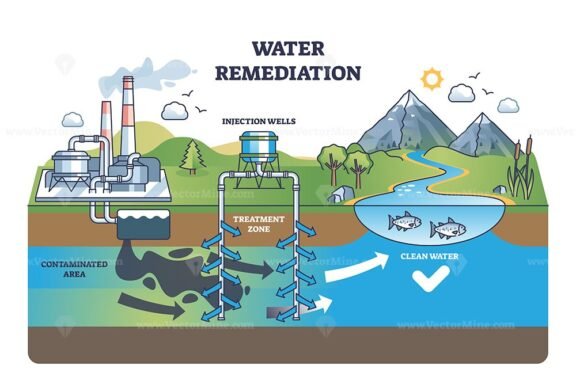
As the northeastern United States continues to confront the challenges posed by global warming and urban development, the future of water oversight is becoming ever important. Advanced technologies are being developed that improve water purification processes, enabling faster and effective treatment. Advanced filtration methods, such as bioreactors and nanotech, promise to significantly improve water treatment efficiency, reducing contaminants to thresholds previously deemed unattainable. These technologies will play a vital role in safeguarding public health and maintaining the region's water resources.
Cooperation among various stakeholders will also influence the framework of water management in the northeastern United States. City officials, non-profit organizations, and research institutions are collaborating to create inclusive strategies that address both short-term and future water quality issues. By pooling resources and knowledge, these partnerships can put into place better monitoring systems and set up top practices that ensure sustainable water management for the foreseeable future. Public awareness and community participation will be essential in fostering these initiatives, fostering a sense of commitment towards water conservation.
Moreover, legislation governing water quality are expected to transform in response to new environmental threats. Increased focus on incorporating climate resilience into water management frameworks will likely lead to tougher guidelines and standards. Continued support in investigations will shape these regulations, ensuring they keep pace with new discoveries and the shifting dynamics of water needs in New England. This proactive approach will not only protect water quality but also support to a more sustainable future for the region's ecosystems and communities.